For over four decades, R.L. has been quietly observing the natural world, learning its rhythms, its silences, and its fragile balance. His connection to wildlife photography began early, shaped by a childhood spent outdoors with his parents—wandering wild places, observing animals in their natural habitats, and learning the value of patience and quiet presence. A simple 126 camera and a contact sheet printer marked the beginning of a lifelong relationship with photography, curiosity, and attention.
Wildlife photography is more than a creative pursuit for him—it is home. While crowds and busy human spaces feel overwhelming, time in the field offers safety, calm, and clarity. Sitting still near water, listening, and waiting has become both a photographic practice and a grounding ritual. It is in these quiet moments that he feels most connected to himself and the landscape around him.
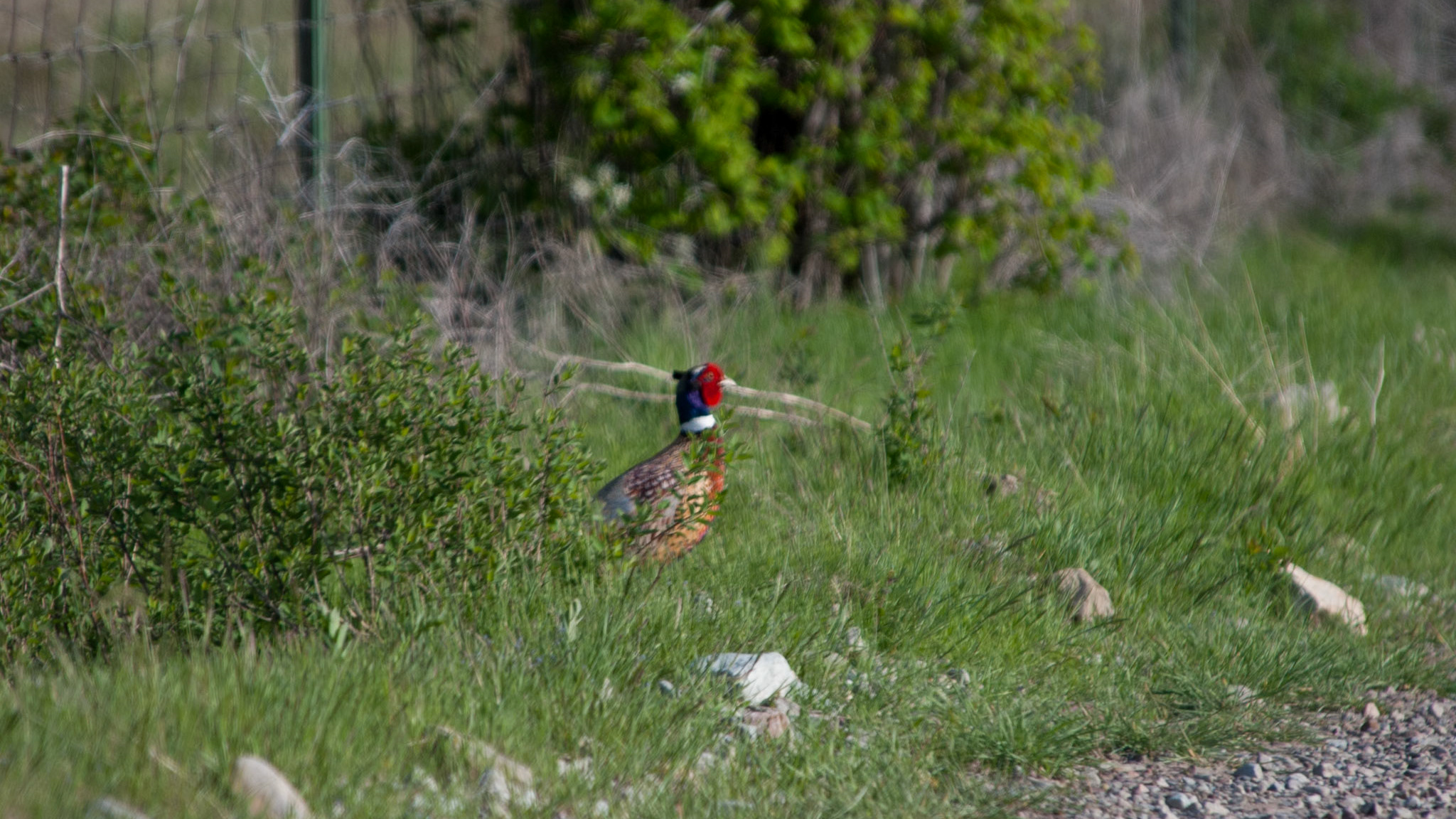
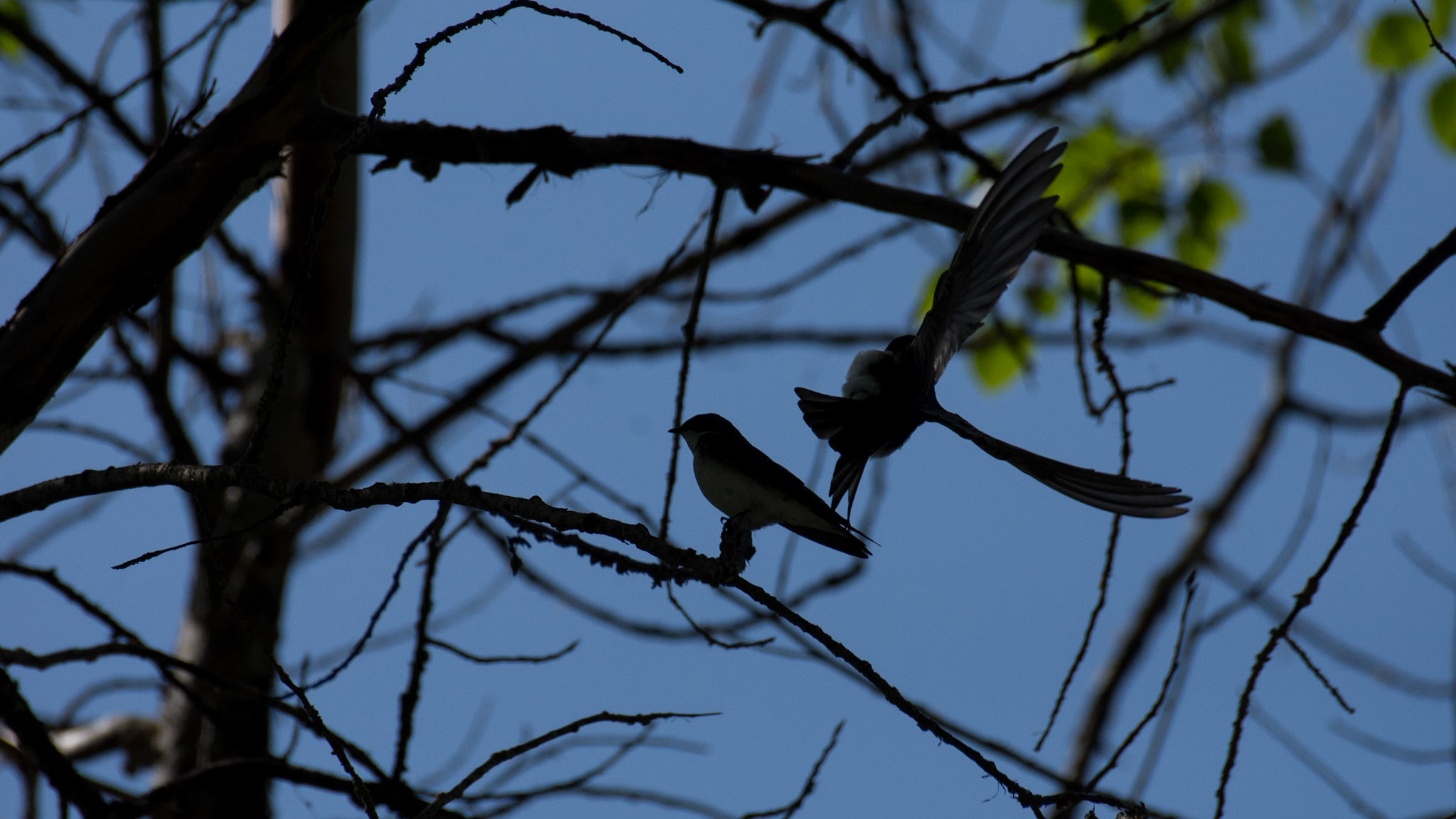
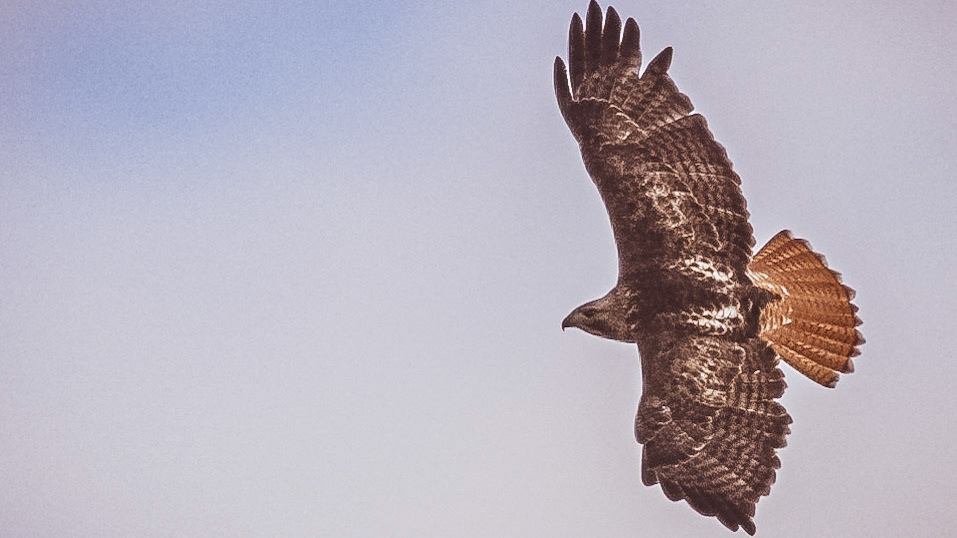
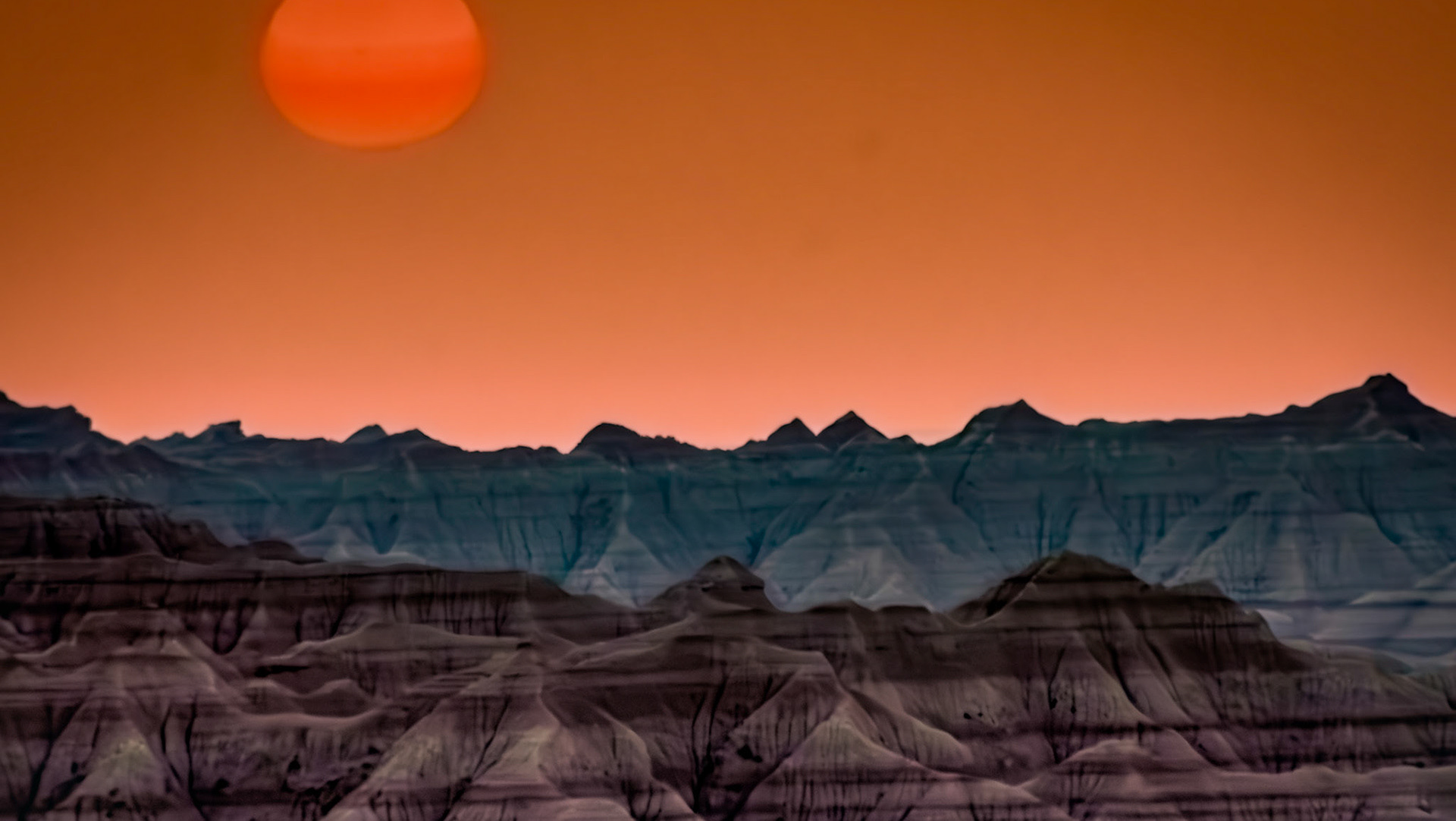
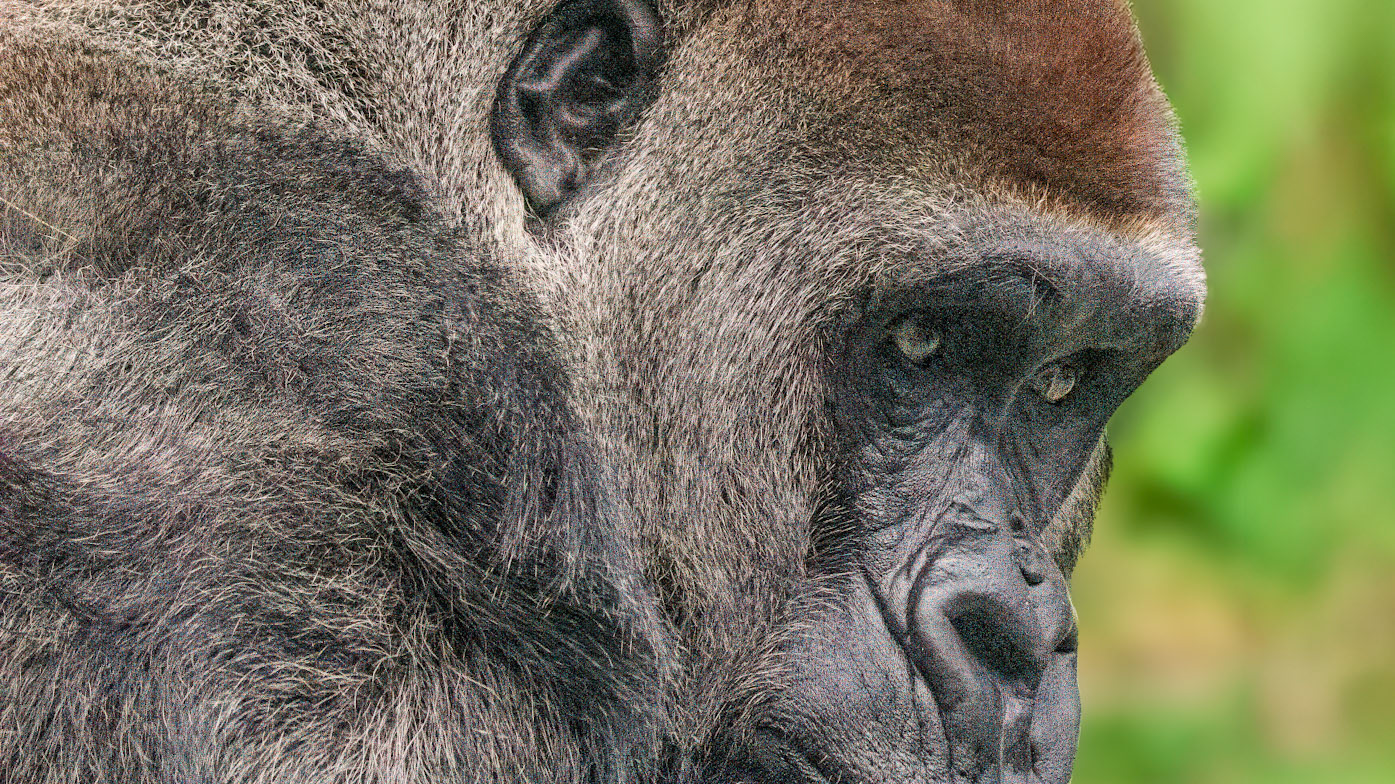
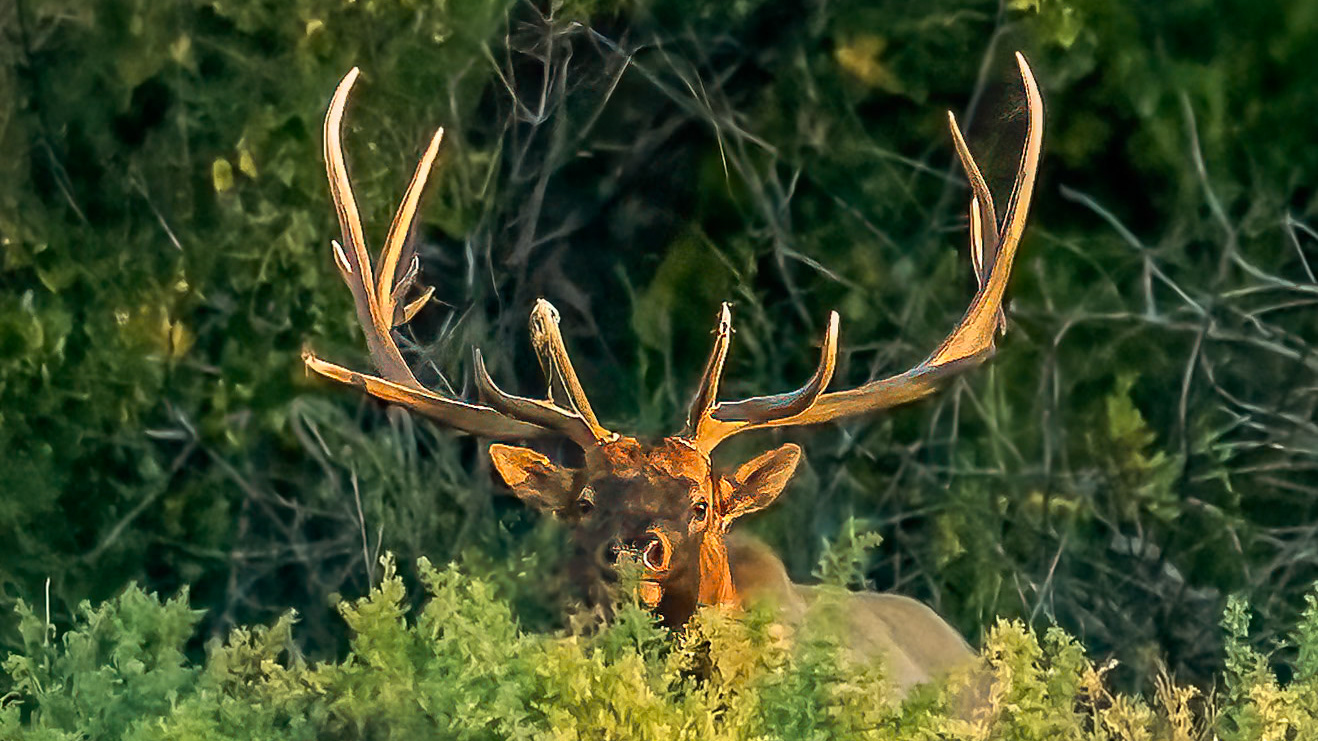
His work is guided by observation rather than force. He is drawn to expressions, emotion, and fleeting moments that might otherwise go unnoticed. Waterways, migratory birds, and rugged landscapes appear often in his photography. He feels a strong connection to migratory fowl and to environments shaped by time and geological change—scablands, badlands, basalt formations, and flood-carved terrain.
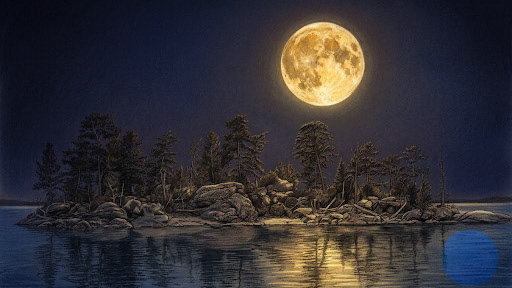
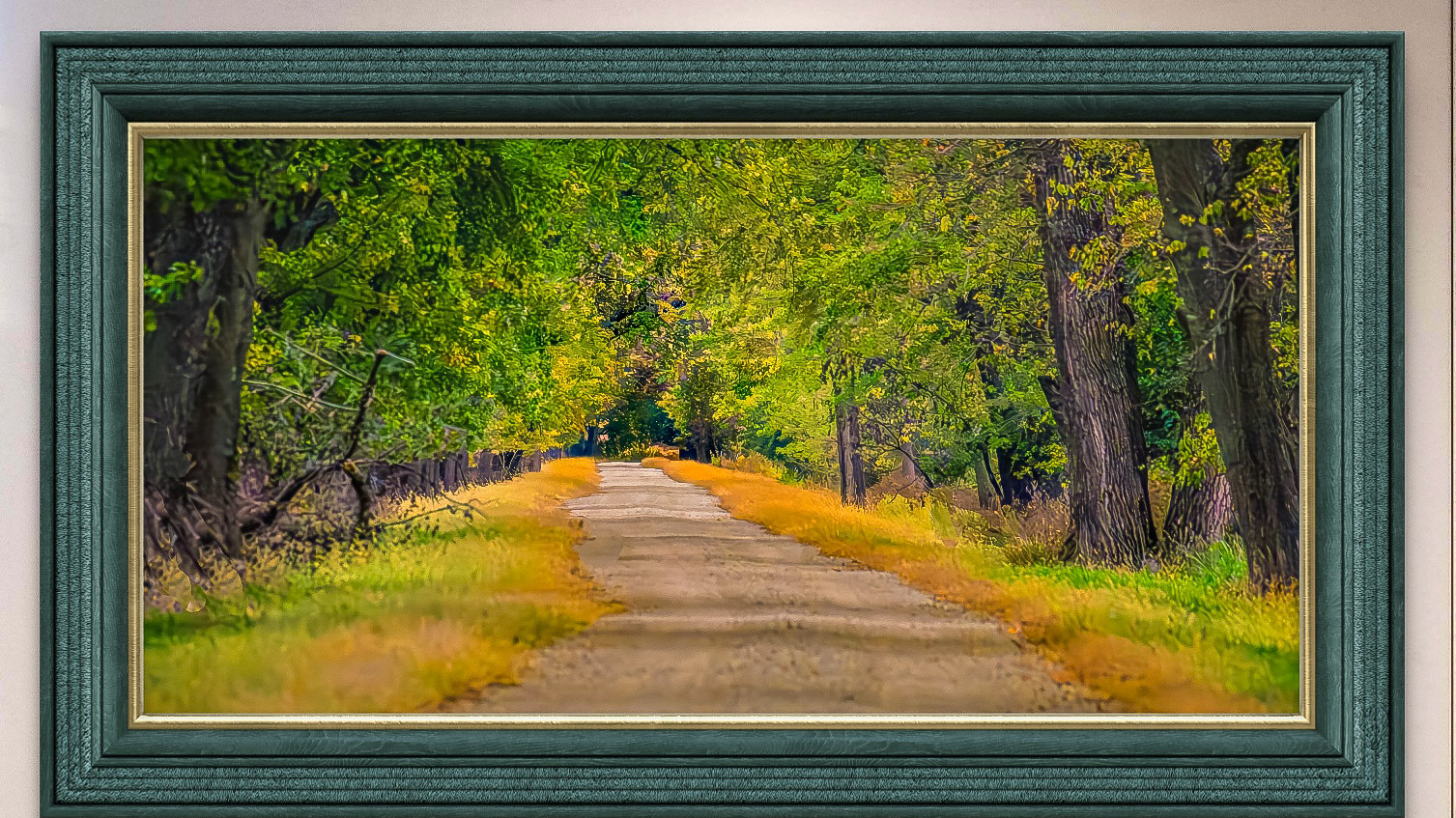
Light and environment play a central role in his compositions. Early morning and evening light, long shadows, and textured landscapes bring depth and honesty to his images. Often, he sees the photograph before lifting the camera, allowing intuition and experience to guide the moment.
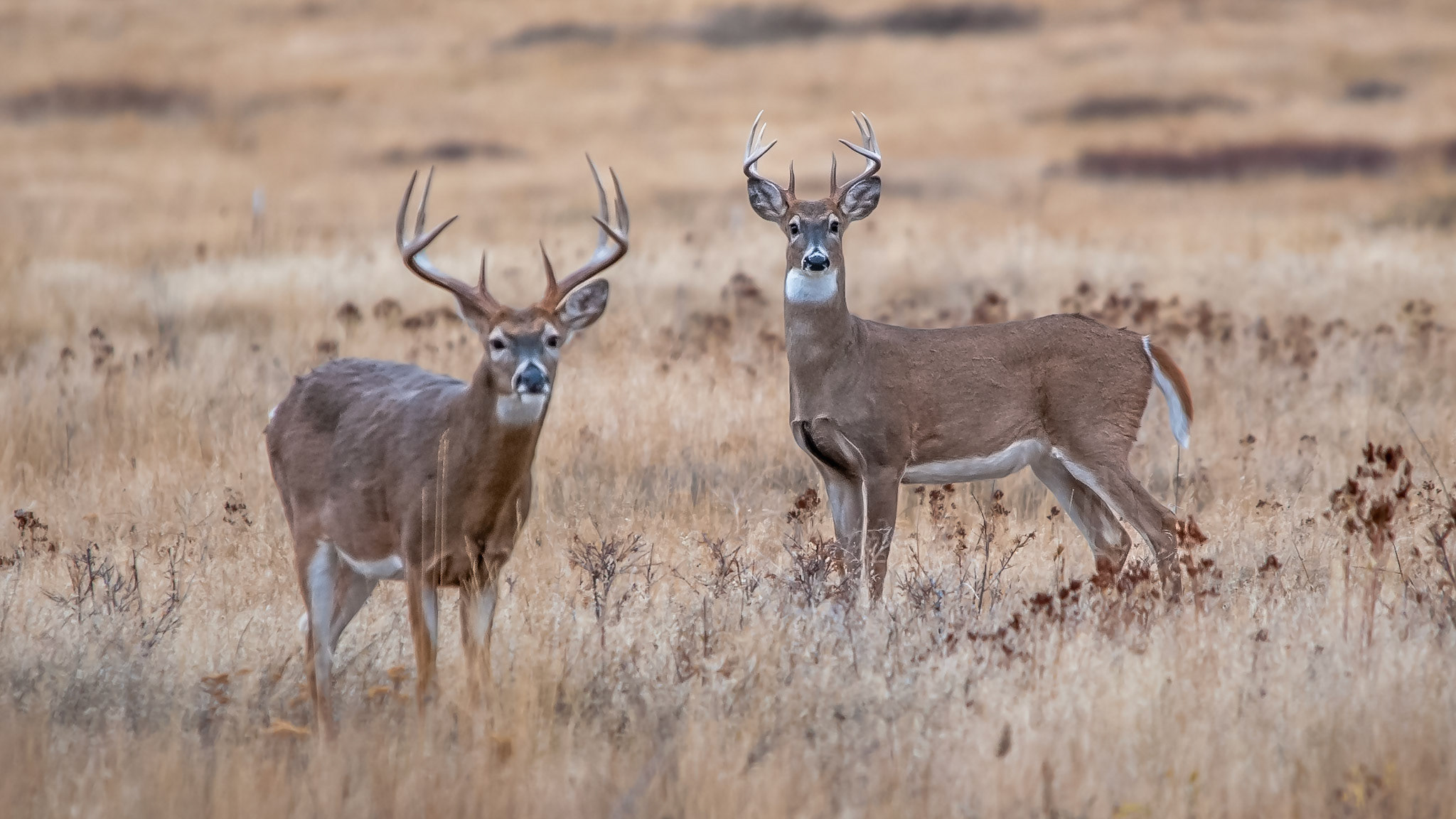
Ethics are fundamental to how he works. He believes strongly in giving animals space and minimizing disruption, choosing stillness and distance over intrusion. He avoids contributing to overcrowding or stress in sensitive areas and is careful about sharing locations. His approach reflects a belief that humans are already a powerful presence in the natural world—and that photography should aim to witness rather than interfere.
An awareness of conservation runs quietly throughout his work. From documenting large but often overlooked wildlife migrations to witnessing the gradual loss of habitat in altered landscapes, his photographs invite viewers to slow down and truly see what exists beyond their everyday experience. His intention is not to persuade, but to foster awareness through connection.
With 43 years of experience, his photography has been published in books, magazines, and calendars, including a publication by the Crane Trust. He has exhibited in numerous art shows and continues to refine his craft. While he studied photography formally early in his career, his digital techniques are entirely self-taught, developed through experimentation, patience, and the practice of stepping away from an image before returning with fresh perspective.
At its heart, his photography is about connection. He hopes his images offer a moment of happiness, spark curiosity, and inspire care—especially in children, whom he believes are our best hope for protecting the natural world. His work invites viewers to slow down, look more closely, and rediscover the quiet beauty of wild places.